Business Continuity Plans in Dental Practices: What CQC Expects


Business continuity plans in dental practices should help the team protect patients when normal working arrangements fail. Drawing on my 12 years as a CQC inspector, I explain how I would turn a document into something people can actually use.
First, an important distinction: CQC’s Dental mythbuster 16 says there is no specific regulatory requirement for a primary care dental practice to have a business continuity plan. It is good practice, inspectors may ask about it, and NHS commissioners may include it in their commissioning arrangements.
That does not remove the duty to provide safe care or to notify CQC of relevant disruptions. I would avoid presenting a continuity plan as a compulsory CQC template. Its value is in helping the practice respond safely and consistently.
Plan around realistic disruption
Mythbuster 16 suggests considering significant staff absence, major IT disruption, loss of premises, damaged paper records and failure of an essential supplier or contractor.
I suggest starting with the services you provide and the things they depend on. What would stop you treating safely today? What could be managed for a few hours but become serious after a day or a week?
For each scenario, identify the immediate action, who makes decisions, how patients will be contacted and what would allow the practice to restart safely. Keep the plan proportionate to your practice rather than copying risks that have little relevance to it.
Give people clear responsibilities
Name a person to coordinate the response and a deputy if that person is unavailable. Make clear who will assess clinical risks, contact patients, speak to suppliers and consider notifications.
CQC says the plan should contain up-to-date emergency contact numbers for staff and be accessible off-site. A plan stored only on the practice computer is not much use if the building is inaccessible or the system has failed.
Keep contact information secure and available only to people who need it. Think about how authorised staff will access the current version without relying on the same systems that may be disrupted.
Put patients at the centre
For significant staffing shortages, consider which services can continue safely and which appointments need to be postponed or redirected. Do not stretch the remaining team beyond safe staffing or professional competence simply to keep the diary full.
Identify patients needing urgent advice or follow-up, including people with communication or access needs. Agree who will make contact and how the practice will record the advice given.
If you have arrangements with another provider, check that they are real, current and suitable. Do not assume that a neighbouring practice has capacity to absorb your patients or that you can provide regulated care at any alternative premises without checking the registration position.
These are practical planning suggestions, not a claim that CQC requires one particular local agreement.
IT, records and essential supplies
An IT outage can affect appointments, clinical records, imaging and communication. I would ask what staff can safely do without those systems and how they decide when treatment must pause.
Check backup and recovery arrangements with your IT provider, including how restoration is tested. If temporary records are necessary, plan for confidentiality, safe access and accurate transfer back into the main record once systems recover.
For a failed supplier or contractor, identify essential dependencies such as decontamination support, equipment repairs and clinical waste collection. Consider alternatives before an incident, but check that any replacement arrangements meet the relevant safety and contractual requirements.
Know when to notify CQC
The notification duty is separate from whether you have a continuity plan. CQC’s Dental mythbuster 11 and its notification guidance explain when an event that stops, or may stop, a service running safely and properly must be reported.
Examples include being unable to meet patients’ needs safely because of staff absence or damage to premises. The guidance also covers utility or specified safety-system failures lasting more than 24 hours. That is not a general permission to wait 24 hours before reporting every type of disruption.
I would expect the plan to identify who checks the current notification criteria and makes any required notification as soon as possible. Informing an NHS commissioner does not replace notifying CQC when a notification is required.
Test team awareness, not just the document
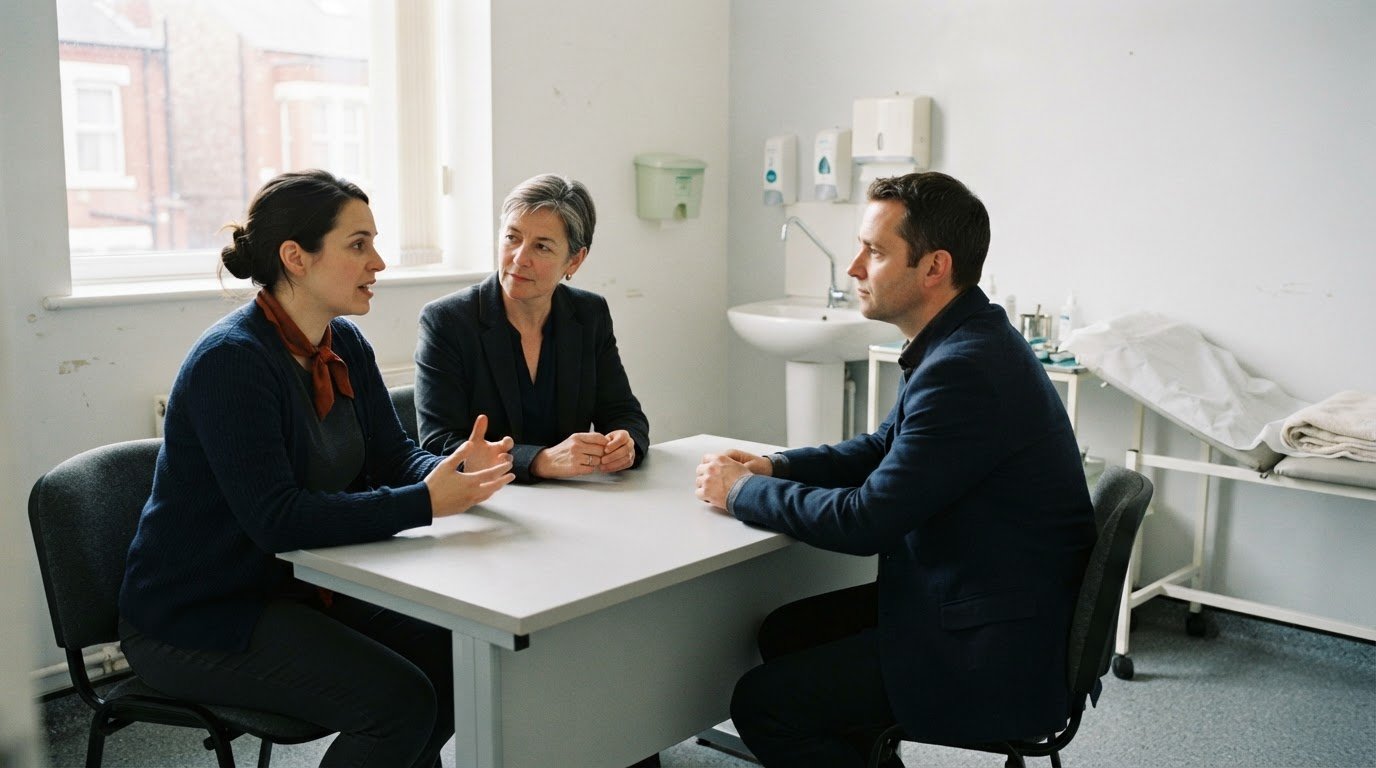
My practical recommendation is a short tabletop exercise. Ask: “The practice cannot open this morning. What happens first?” Let reception, clinical staff and the practice manager work through their roles.
Can they find the plan, reach the right people and explain how urgent patients will get advice? Record gaps, assign actions and update the plan. Repeat the exercise when significant arrangements change, and review learning after a real incident.
A review date is useful, but it is not evidence that the plan works. I would rather see a concise, tested plan that staff understand than a long folder nobody has opened.
If you want an independent check of your arrangements and team awareness, my CQC compliance support can help identify practical gaps before disruption exposes them.


Comments